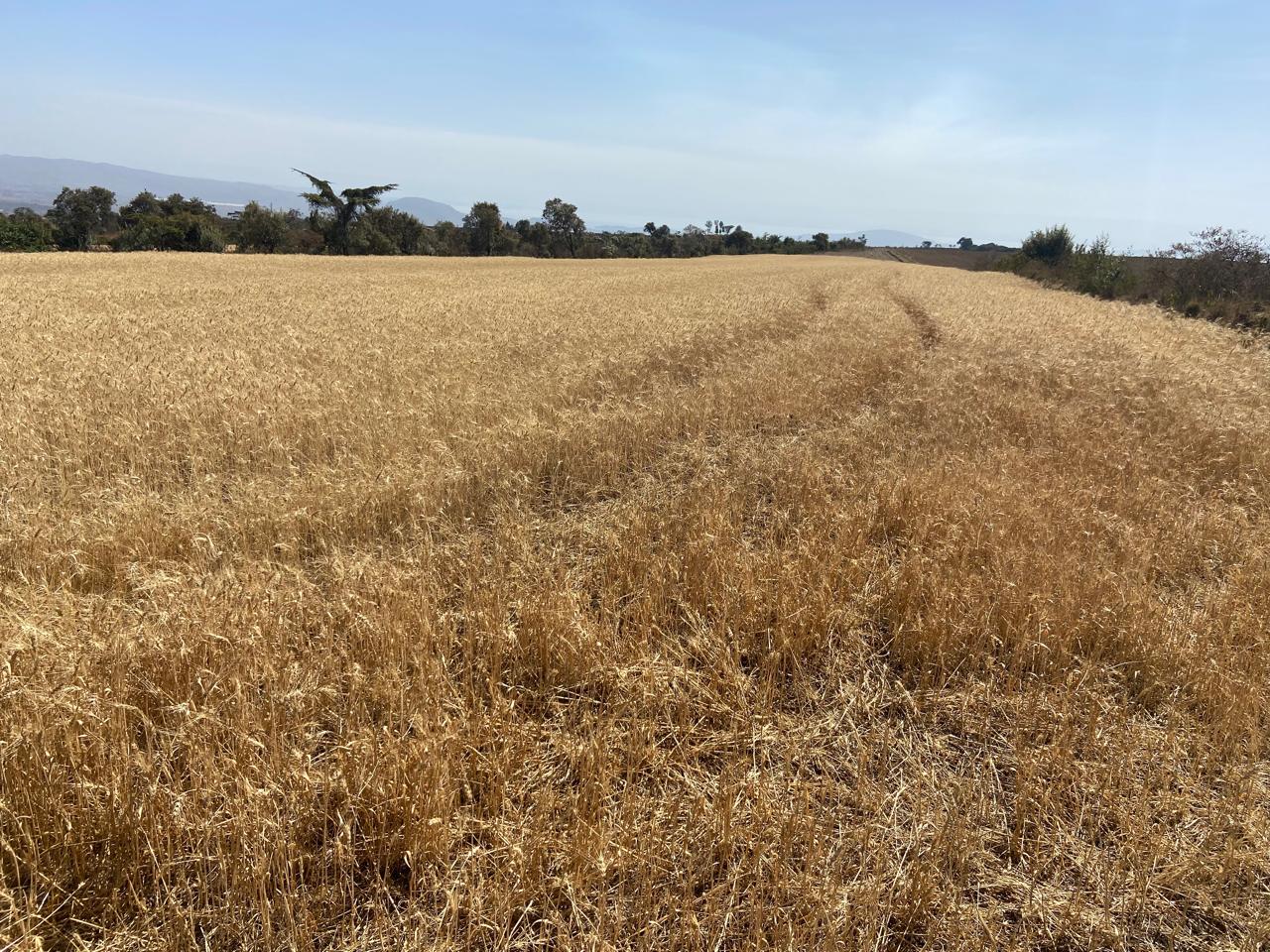
Dira was a prospector.
Not the kind who searched for gold.
Not the kind who crossed deserts with a pickaxe and a dream.
Dira searched for opportunities.
He believed that Africa did not suffer from a shortage of ideas. It did not suffer from a shortage of ambition. It did not even suffer from a complete shortage of capital.
What was often missing was the bridge between them.
Capital on one side. Viable ventures on the other. Between them sat a difficult terrain of trust, execution, visibility, incentives, risk, and markets.
That gap would eventually become the reason Diraja exists.
But before the dashboards, before the shops, before the operating systems and investor reports, there was a field in the Rift Valley. And there was wheat.
“The Earth is flat.”
That was how the story began.
Not in a boardroom. Not in an investor meeting. Not in a strategy workshop.
It began in conversation.
A university friend introduced Dira to a finance executive with an unusual obsession. On paper, the man belonged to the world of budgets, forecasts, financial controls and boardroom discipline. In person, he kept drifting toward a different subject entirely.
Wheat.
Not stocks.
Not bonds.
Not real estate.
Wheat.
He spoke of rainfall patterns the way others spoke of market cycles. He spoke of soil chemistry with the confidence of a scientist. He spoke of seed varieties, fertilizer, herbicides and yields with the energy of a founder describing a new product.
Every problem appeared measurable. Every risk appeared manageable. Every unknown seemed to have a method.
The idea lingered, but a critical element had been forgotten.
Kenya imported much of the wheat it consumed. Every loaf of bread, every chapati, every packet of flour carried the same quiet message: the demand already existed.
People needed food. The country needed production. Land existed. Knowledge existed. Capital was looking for productive use.
All that remained, it seemed, was to connect the pieces.
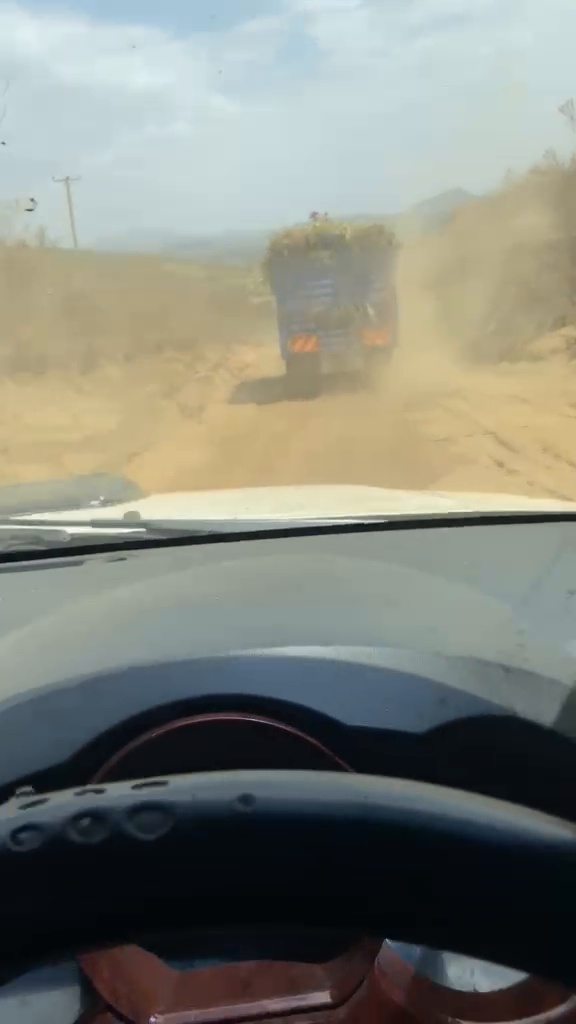
So, before dawn one morning, Dira left Nairobi.
The city disappeared slowly behind him. Concrete gave way to open country. The air became cooler. The road slipped toward the escarpment and the Rift Valley opened below like a curtain being drawn across a stage.
There are landscapes that make a man feel small. The Rift Valley is one of them.
The road wound through hills, trading centres, roadside markets and long stretches of silence. Trucks groaned under heavy loads. Herds drifted across the land. Dust hung in the morning light.
Then the tarmac ended.
The vehicle pressed onward. Loose stones rattled beneath the tyres. Dust entered through every gap and crack. The road narrowed until it became little more than twin tracks cut into the earth.
But as the road narrowed, the landscape widened.
Golden grass rolled toward the horizon. Acacia trees stood scattered across the plains. The sky felt enormous. The land seemed endless.
The further Dira travelled, the flatter the earth seemed to become.
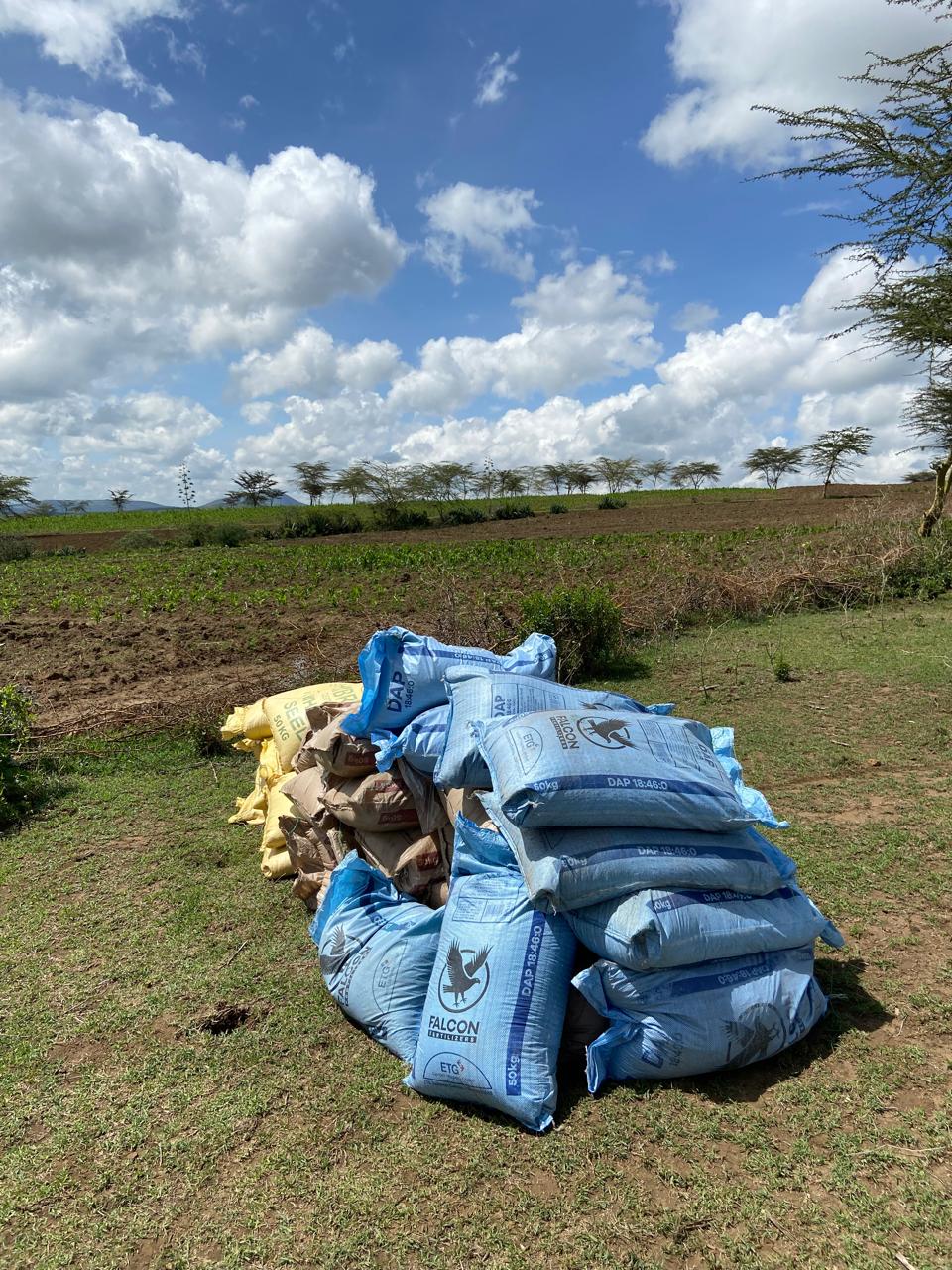
By midday, he was deep in Maasai country.
Directions were given through memory rather than maps. A hill marked one side. A stream marked another. A tree in the distance carried more authority than a pin dropped on a phone.
Introductions were made beneath the shade of a tree.
Tea was poured. Stories were exchanged. Negotiations began.
The land belonged to families whose connection to it stretched back generations. Some things were written down. Some things were not. Boundaries lived partly in documents, partly in memory, and partly in the goodwill of people who had known the land longer than any paper could claim to.
To Dira, this was unfamiliar ground.
Not just physically. Commercially. Culturally. Operationally.
Business moved at the pace of conversation. Trust came before paperwork. Relationships came before certainty.
And still, the opportunity was difficult to ignore.
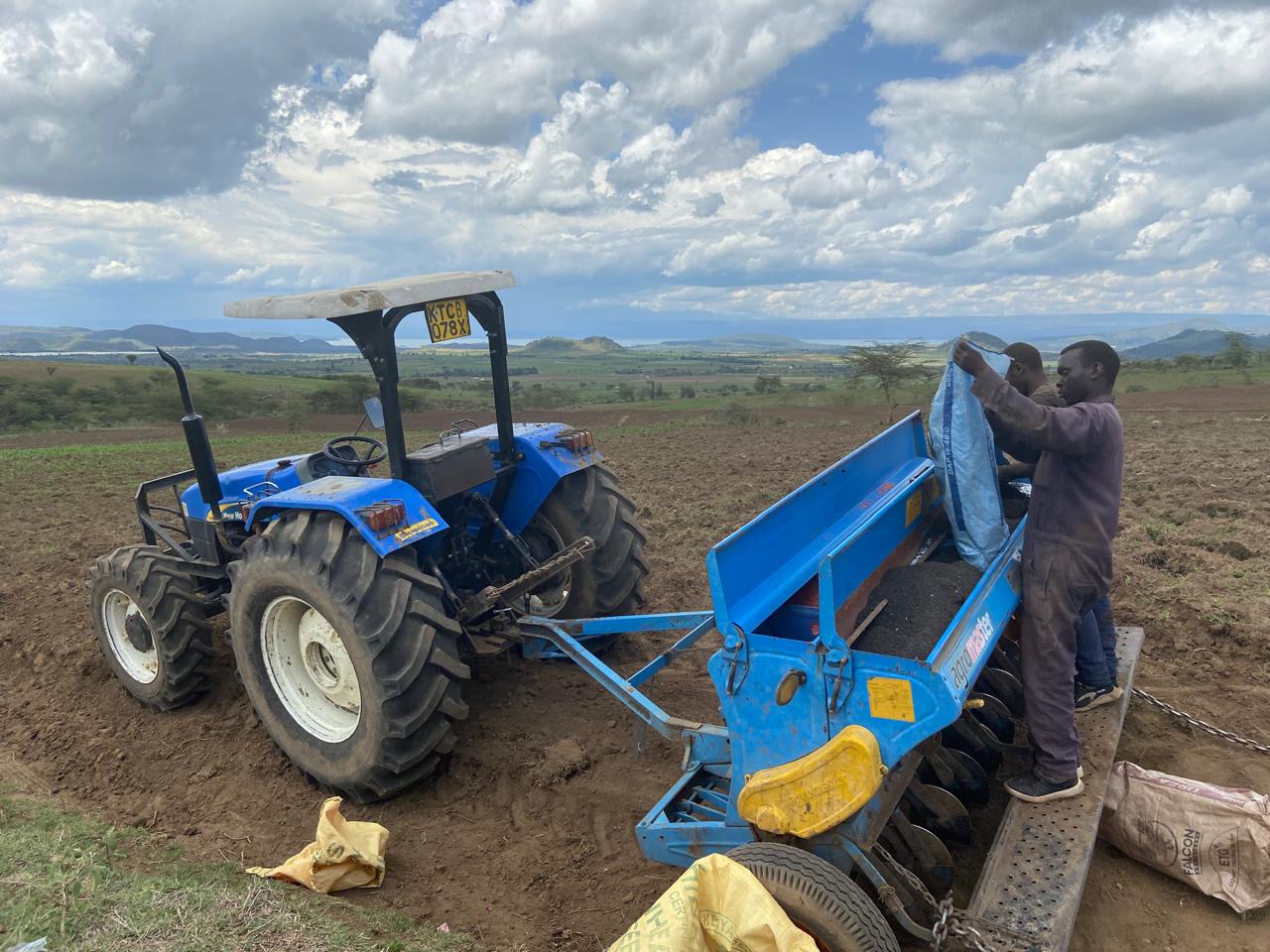
The arithmetic seemed irresistible.
A country that needed food.
Land that could grow it.
Knowledge from people who had done it before.
Capital looking for productive use.
This was the kind of problem Dira wanted to understand. Not from a distance. Not from a report. Not from a conference panel. From the ground.
He wanted to know whether capital, applied with discipline, could help turn overlooked opportunities into functioning ventures.
That question would follow him into poultry, retail, water, logistics, real estate and software.
But on that day, it wore the simple shape of a wheat field.
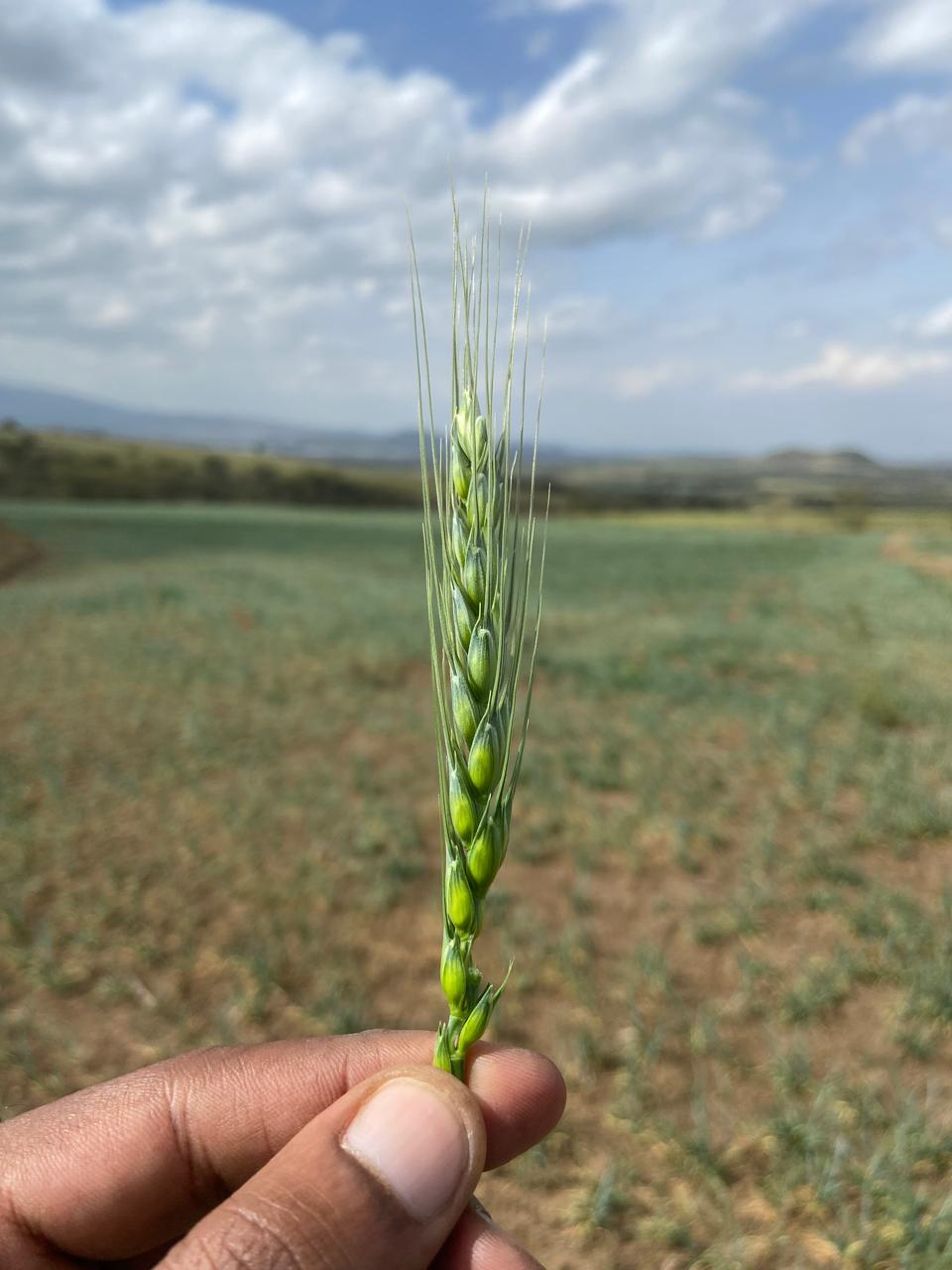
Standing beneath the vast African sky, Dira imagined what could be.
Green shoots pushing through the soil. Golden wheat bending in the wind. Harvesters moving across the field. Trucks carrying grain back toward the market. Capital converted into production. Production converted into income. Income converted into confidence.
The vision felt clean.
Lease land.
Plant wheat.
Harvest.
Sell.
Repeat.
It felt almost too obvious.
After all, people would always need food.
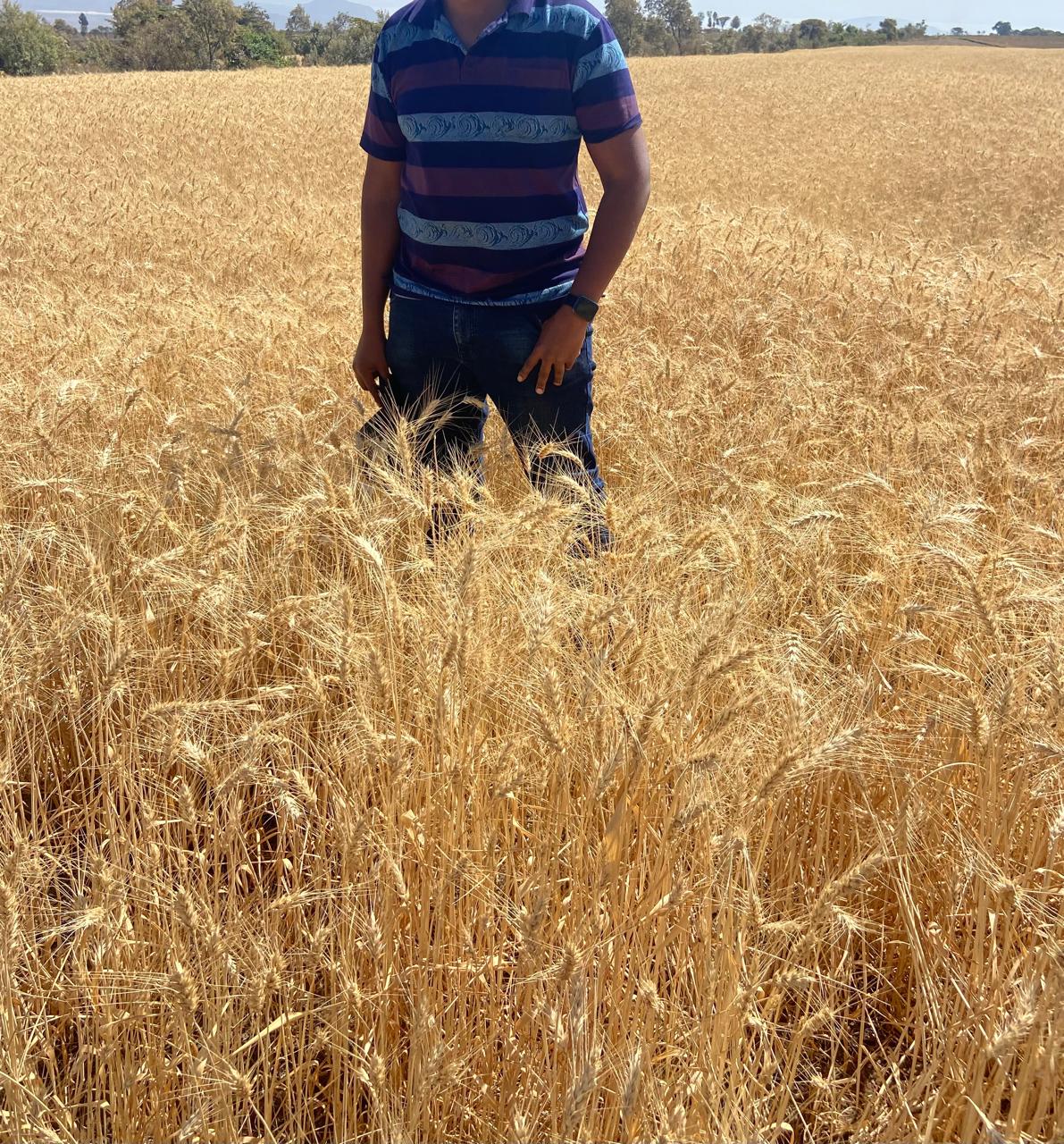
Agreements were made. Hands were shaken. Trust was established.
Capital had found a destination.
The Earth was flat.
The opportunity was obvious.
The risk seemed manageable.
All that remained was the simple task of growing wheat.
Or so Dira believed.